

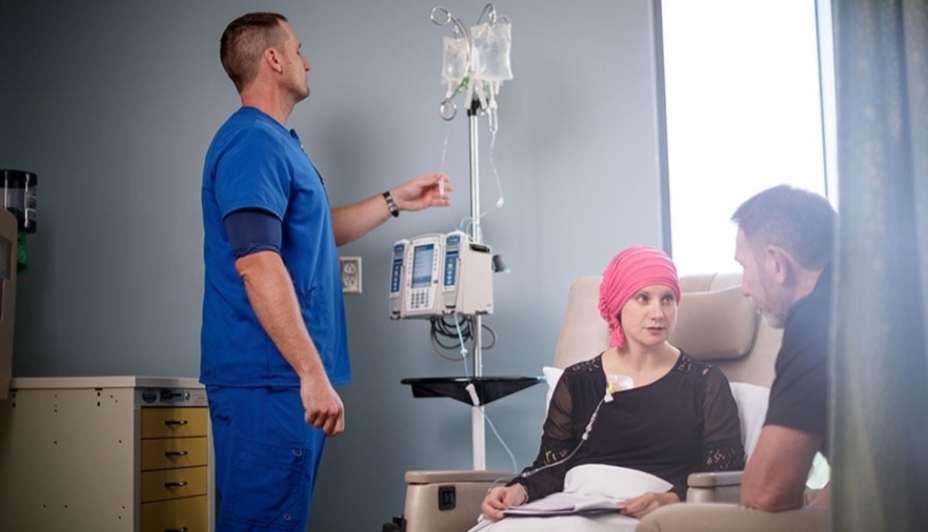
Cancer treatment has evolved significantly over the past few decades. Among the most important advancements is modern chemotherapy, which has become more effective, targeted, and safer for patients.
Chemotherapy was once associated with severe side effects and limited success rates. Today, it plays a key role in cancer care, helping to shrink tumors, prevent recurrence, and improve survival outcomes across many cancer types.
This article explains how modern chemotherapy works, its advancements, and how it is improving survival rates worldwide.
What Is Chemotherapy?
Chemotherapy is a type of cancer treatment that uses drugs to destroy or slow the growth of cancer cells. These drugs target rapidly dividing cells, which is a key characteristic of cancer.
Chemotherapy may be used to:
- Cure cancer in certain cases
- Control cancer growth
- Relieve symptoms (palliative care)
- Reduce the risk of recurrence after surgery
It is commonly combined with other treatments such as surgery, radiation therapy, or immunotherapy for better outcomes.
How Modern Chemotherapy Has Evolved
Advancements in medical science have transformed chemotherapy into a more precise and patient-friendly treatment.
Targeted Chemotherapy
Modern chemotherapy drugs are increasingly designed to target specific cancer cells while sparing healthy tissues. This reduces damage to normal cells and improves effectiveness.
Combination Therapy
Doctors now use combinations of drugs tailored to specific cancer types. This approach:
- Increases treatment success
- Reduces drug resistance
- Improves long-term outcomes
Personalized Treatment Plans
With advancements in genetic testing, chemotherapy can be customized based on:
- Tumor type
- Genetic mutations
- Patient’s overall health
This personalized approach leads to better results and fewer unnecessary side effects.
How Chemotherapy Improves Survival Rates
Modern chemotherapy has significantly improved survival rates for many cancers.
Early Intervention
When used in early-stage cancer, chemotherapy can eliminate cancer cells before they spread, increasing the chances of cure.
Shrinking Tumors Before Surgery
Chemotherapy is generally used before surgery (neoadjuvant therapy) to reduce tumor size, making it easier to remove and improving surgical outcomes.
Preventing Recurrence
After surgery, chemotherapy may be used (adjuvant therapy) to destroy any remaining cancer cells and reduce the risk of recurrence.
Managing Advanced Cancer
Even in advanced stages, chemotherapy can:
- Slow disease progression
- Improve quality of life
- Extend survival time
Reduced Side Effects with Modern Chemotherapy
One of the biggest improvements in chemotherapy is the reduction of side effects.
Better Supportive Care
Modern medicine provides medications to manage common side effects, such as:
- Nausea and vomiting
- Fatigue
- Pain
Precision Dosing
Doctors carefully calculate doses based on the patient’s condition, reducing unnecessary toxicity.
New Drug Formulations
Newer chemotherapy drugs are designed to be more selective, minimizing harm to healthy cells.
Role of Technology in Chemotherapy
Technology has played a major role in improving chemotherapy outcomes.
Advanced Diagnostics
- Imaging techniques help detect cancer earlier
- Biomarker testing helps select the right drugs
Monitoring Treatment Response
Doctors can track how well chemotherapy is working and adjust treatment plans accordingly.
Outpatient Chemotherapy
Many treatments are now given in outpatient settings, allowing patients to continue daily activities with minimal disruption.
Integrating Chemotherapy with Other Treatments
Modern cancer care usually combines chemotherapy with other therapies for better results.
Immunotherapy
Boosts the body’s immune system to fight cancer alongside chemotherapy.
Targeted Therapy
Focuses on specific molecules involved in cancer growth.
Radiation Therapy
Used in combination to destroy cancer cells more effectively.
This integrated approach has significantly improved treatment success rates.
Access to Advanced Chemotherapy Care
Access to quality healthcare facilities plays an important role in cancer treatment outcomes.
For example, in Delhi, patients have access to advanced oncology services, and many seek chemotherapy treatment in Delhi in well-equipped hospitals that offer modern techniques, experienced specialists, and comprehensive cancer care.
Limitations and Challenges
Despite advancements, chemotherapy still has limitations.
Side Effects Still Exist
Although reduced, some side effects may still occur, including:
- Hair loss
- Fatigue
- Increased risk of infections
Not Effective for All Cancers
Some cancers may not respond well to chemotherapy and may require alternative treatments.
Emotional and Financial Impact
Cancer treatment can be physically and emotionally challenging, and access to care may vary based on location and resources.
Future of Chemotherapy
The future of chemotherapy looks promising with ongoing research and innovation.
Precision Medicine
Further advancements in genetic profiling will allow even more personalized treatments.
Less Toxic Drugs
Researchers are developing drugs with fewer side effects and better targeting capabilities.
Combination Innovations
New combinations of chemotherapy with immunotherapy and targeted therapy are improving outcomes.
Frequently Asked Questions
Is chemotherapy effective for all cancers?
No, effectiveness depends on the type and stage of cancer. It works well for many cancers, but not all.
Does chemotherapy cure cancer?
In some cases, especially early-stage cancers, chemotherapy can lead to a cure. In others, it helps control the disease.
Are the side effects of chemotherapy severe?
Side effects vary, but modern treatments have significantly reduced their severity and improved management.
How long does chemotherapy treatment last?
Treatment duration varies depending on the cancer type and treatment plan, ranging from weeks to several months.
Can patients live a normal life during chemotherapy?
Many patients continue daily activities, especially with outpatient treatments and supportive care.
Is chemotherapy safe?
Yes, when administered under medical supervision, chemotherapy is a safe and well-regulated treatment.
Conclusion
Modern chemotherapy has transformed cancer care by improving survival rates, reducing side effects, and offering more personalized treatment options. With advancements in technology and medical research, chemotherapy continues to play a vital role in fighting cancer.
While challenges remain, the progress made in recent years provides hope for better outcomes and improved quality of life for cancer patients worldwide.