

Taking control of your health begins with awareness, and one of the most effective ways to stay informed is through regular health screenings. In today’s fast-paced world, many individuals focus on treatment rather than prevention, often waiting until symptoms appear before seeking medical attention. However, regular screenings provide an opportunity to detect potential health issues early, manage risks, and maintain long-term wellness. By making screenings a consistent part of your routine, you empower yourself to make informed decisions and protect your overall well-being.
Why Regular Screenings Are Essential
Regular health screenings are a cornerstone of preventive care. They are designed to identify conditions before symptoms develop, allowing for early intervention and better outcomes. Many illnesses, including infections and chronic diseases, progress silently, making routine testing essential for early detection.
Screenings not only help identify health concerns but also provide valuable insights into your overall health. They allow healthcare providers to track changes over time and recommend appropriate lifestyle adjustments or treatments. This proactive approach reduces the likelihood of complications and supports a healthier future.
Understanding Different Types of Screenings
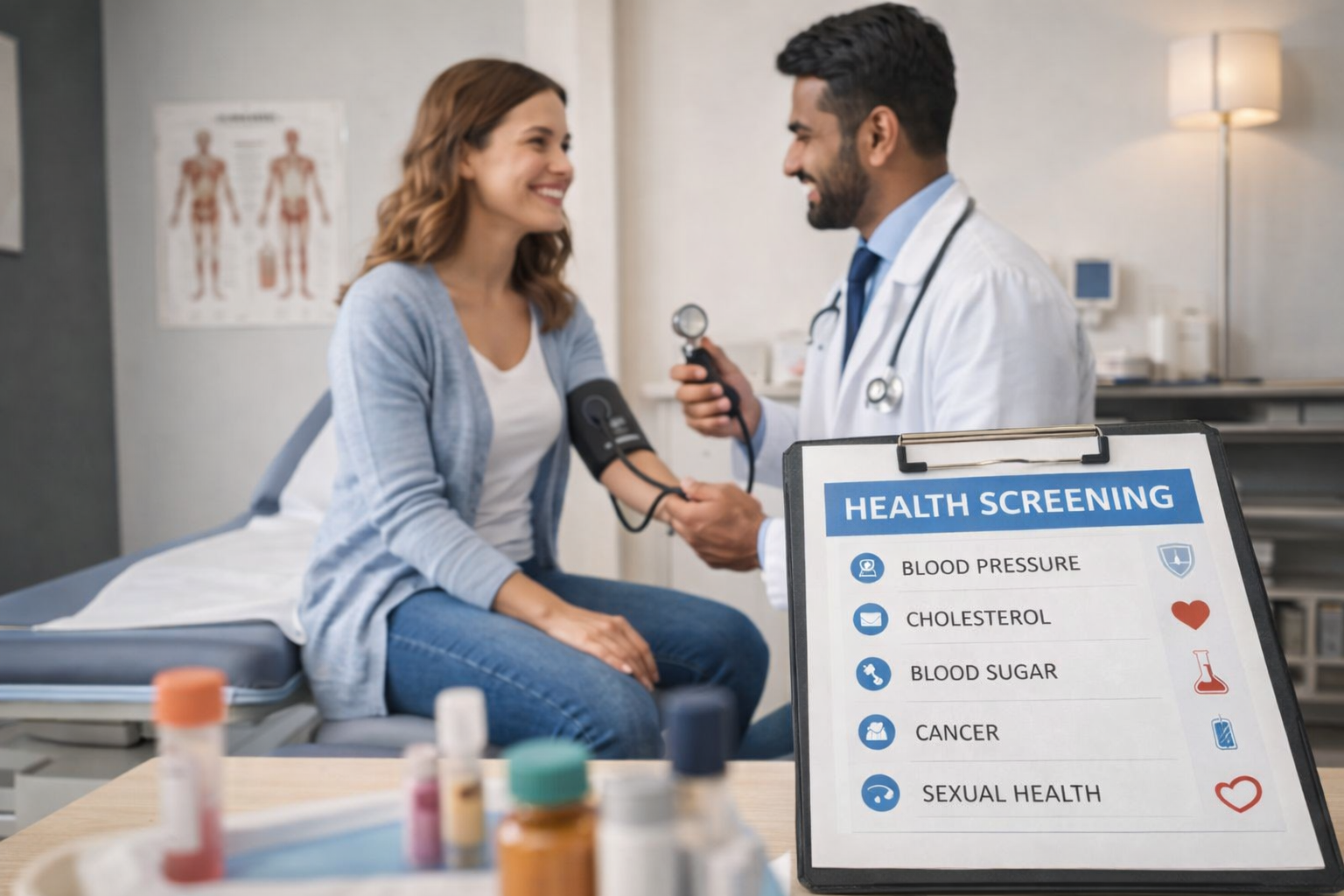
Health screenings come in many forms, depending on your age, lifestyle, and risk factors. Common screenings include blood pressure checks, cholesterol tests, blood sugar tests, and cancer screenings. Each test serves a specific purpose and contributes to a comprehensive understanding of your health.
Sexual health screenings are equally important and should not be overlooked. Regular testing ensures that infections are detected early and treated promptly. Services like syphilis testing provide individuals with the opportunity to monitor their health and prevent the spread of infections. These screenings are often simple, quick, and highly effective in maintaining overall well-being.
Overcoming Barriers to Regular Testing
Despite the importance of regular screenings, many people face barriers that prevent them from taking action. Common challenges include fear of results, lack of time, financial constraints, and limited access to healthcare services.
Addressing these barriers requires a shift in mindset. Screenings should be viewed as a positive and empowering step rather than something to fear. Modern healthcare has also made testing more accessible through affordable services, flexible scheduling, and quick results, making it easier for individuals to prioritize their health.
The Role of Preventive Healthcare
Preventive healthcare focuses on reducing the risk of illness before it occurs. Regular screenings are a key component of this approach, as they help identify potential issues early and allow for timely intervention.
In addition to screenings, preventive care includes vaccinations, healthy lifestyle choices, and health education. Learning essential life-saving skills through programs like cpr classes online further enhances health awareness and preparedness. These programs encourage individuals to take a proactive approach to both personal and community health.
Building a Routine Around Health Screenings
Consistency is crucial when it comes to health screenings. Creating a routine ensures that you do not miss important tests and helps you stay on top of your health. Setting reminders, scheduling appointments in advance, and keeping track of your medical history are effective ways to maintain consistency.
It is also important to consult with healthcare professionals to determine the appropriate frequency of screenings based on your individual needs. A personalized approach ensures that you receive the right tests at the right time.
The Connection Between Screenings and Early Detection
Early detection is one of the most significant benefits of regular screenings. Identifying conditions at an early stage often leads to more effective treatment and better outcomes. This is particularly important for infections and chronic diseases that may not show immediate symptoms.
By staying proactive and participating in routine screenings, individuals can reduce the risk of complications and improve their overall quality of life. Early detection also helps prevent the spread of infectious diseases, contributing to healthier communities.
Leveraging Technology for Better Health Monitoring
Advancements in technology have made it easier than ever to stay informed about your health. Digital health platforms, mobile apps, and wearable devices provide real-time insights into your well-being and help you track important health metrics.
These tools can also remind you to schedule screenings and follow up on test results. By integrating technology into your healthcare routine, you can stay organized and ensure that you never miss an important check-up.
Creating a Health-Conscious Lifestyle
Regular screenings are most effective when combined with a healthy lifestyle. Eating a balanced diet, engaging in regular physical activity, and managing stress all contribute to better health outcomes. These habits support your body’s natural defenses and reduce the risk of developing serious conditions.
A health-conscious lifestyle also involves staying informed and being proactive about your well-being. By making health a priority, you create a strong foundation for long-term wellness.
Encouraging a Culture of Preventive Care
Promoting the importance of regular screenings within families, workplaces, and communities can help create a culture of preventive care. When individuals openly discuss health and encourage one another to get tested, it reduces stigma and increases participation.
Community awareness programs, workplace wellness initiatives, and educational campaigns all play a role in normalizing health screenings and making them a routine part of life.
Long-Term Benefits of Regular Screenings
The long-term benefits of regular health screenings are significant. They include improved health outcomes, reduced healthcare costs, and a higher quality of life. Early detection allows for timely treatment, minimizing the impact of diseases and preventing complications.
On a broader scale, regular screenings contribute to healthier communities by reducing the spread of infections and lowering the burden on healthcare systems.
Conclusion
Taking control of your health with regular screenings is one of the most effective ways to ensure long-term wellness. By prioritizing routine tests, staying informed, and adopting a proactive approach, individuals can detect potential health issues early and take appropriate action. Regular screenings, combined with healthy lifestyle choices, empower individuals to lead healthier and more confident lives while contributing to a culture of prevention and well-being.