

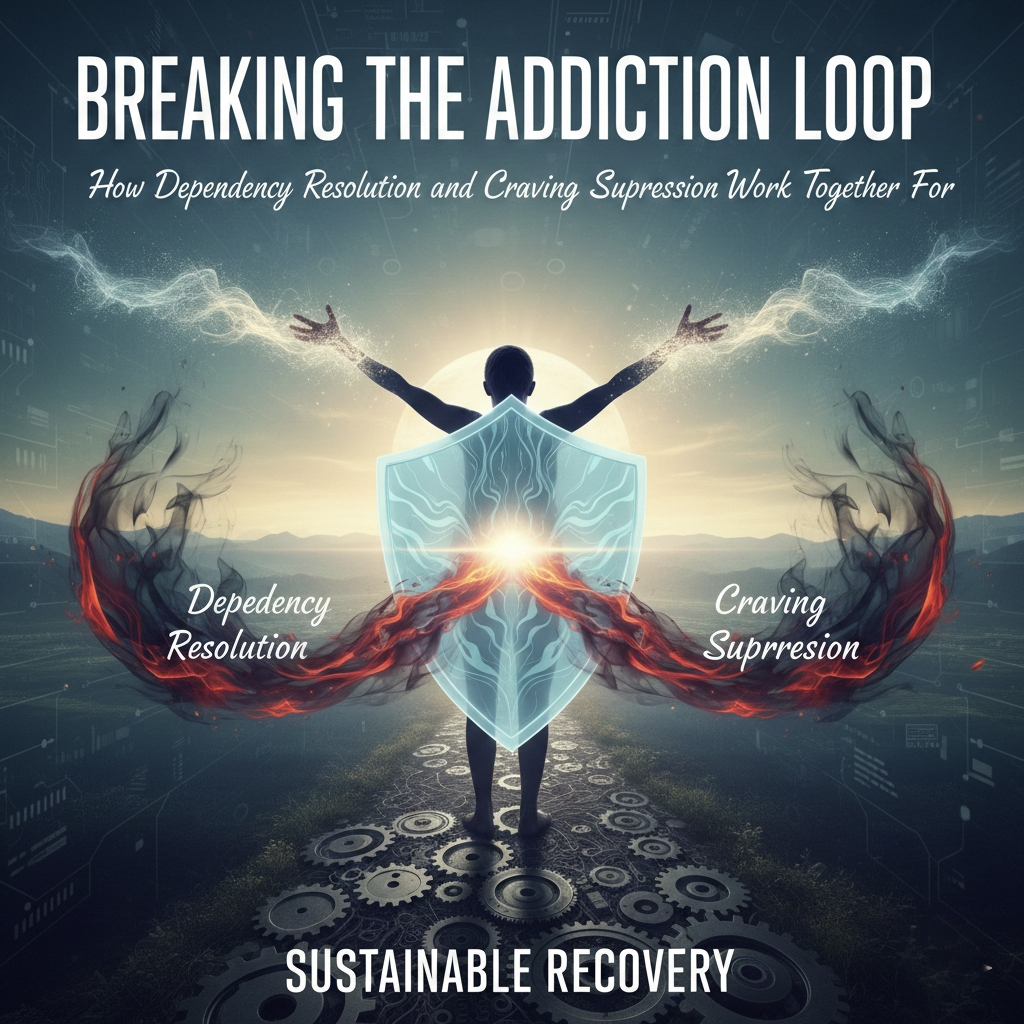
Addiction often feels like being trapped in a cycle that repeats despite strong intentions to quit. Many people try to break free through willpower alone, only to find themselves pulled back by physical discomfort or emotional pressure. Recovery becomes sustainable when both the body and mind are addressed together. In the middle of this process lies dependency resolution, which focuses on helping the body gradually regain balance after prolonged substance use. Without stabilizing physical dependence, recovery efforts remain fragile. However, physical healing alone cannot fully dismantle addiction, making a broader approach essential.
Understanding How Addiction Becomes a Self-Reinforcing Loop
Addiction develops when repeated substance use trains the brain and body to rely on external chemicals for relief or stability. Over time, this reliance creates predictable patterns of behavior, emotion, and reward. Stress triggers use, use reinforces relief, and relief strengthens dependency. Moreover, the brain begins to prioritize short-term comfort over long-term consequences. This loop makes quitting difficult even when motivation is strong. Breaking it requires disrupting both the physical reliance and the learned behavioral responses that keep the cycle active.
The Role of Physical Stabilization in Recovery
Long-term substance use alters sleep, appetite, energy levels, and emotional regulation. Physical discomfort during early recovery often pushes individuals back toward use. Stabilizing the body reduces this pressure. As physical symptoms ease, individuals gain the mental space needed to engage in recovery planning and lifestyle changes. Additionally, physical stability improves focus and emotional tolerance. This stage is critical because it creates a platform for deeper psychological work. Without it, recovery efforts often feel overwhelming and unsustainable.
Psychological Triggers That Keep Addiction Active
Even when the body begins to recover, the mind often holds onto old coping patterns. Emotional stress, boredom, social cues, or familiar environments can activate powerful urges. These triggers operate automatically, often before conscious thought. Moreover, past experiences teach the brain to associate substances with relief or escape. Ignoring these psychological factors leaves recovery vulnerable. Sustainable change requires understanding how thoughts, emotions, and habits interact—and learning how to interrupt them before they lead to relapse.
Why Treating Only One Side Leads to Relapse
Many recovery attempts fail because they focus on a single dimension of addiction. Physical detox without behavioral change leaves emotional vulnerabilities exposed. Psychological strategies without physical stabilization can intensify discomfort and frustration. Addiction is not a single problem with a single solution. It is a system. Addressing only part of that system creates imbalance. Long-term recovery improves when physical healing and mental resilience develop together, reinforcing progress instead of competing with each other.
Building Daily Structure That Supports Recovery
Recovery becomes sustainable when healthy routines replace destructive patterns. Consistent sleep, balanced nutrition, movement, and purposeful activity stabilize both body and mind. Additionally, structure reduces idle time, which often amplifies urges. Daily routines provide predictability and reduce decision fatigue. Over time, these habits rewire behavior patterns and strengthen self-discipline. Recovery shifts from constant resistance to intentional living. This stage transforms recovery into a lifestyle rather than a temporary effort.
Preparing for Long-Term Challenges and Setbacks
Recovery does not eliminate stress, loss, or emotional discomfort. Challenges will still arise. What changes is the ability to respond without returning to old behaviors. This is where craving suppression becomes essential, helping individuals recognize urges without acting on them. Rather than fighting cravings blindly, people learn to manage them with awareness and skill. This ability significantly reduces relapse risk and builds confidence in handling real-world pressures over time.
Conclusion: Creating Lasting Freedom by Addressing the Whole System
Breaking addiction requires more than stopping substance use; it requires rebuilding balance, awareness, and control. When physical stability and psychological resilience develop together, recovery becomes durable. Sustainable change comes from understanding how addiction works and responding with a complete strategy. If you are seeking long-term recovery, focus on approaches that treat the whole system—not just the symptoms. Choose methods that support stability, clarity, and growth, and take steady steps toward a healthier, more independent future.
Looking for well-researched content and timely updates? Keep visiting VIPLeague.